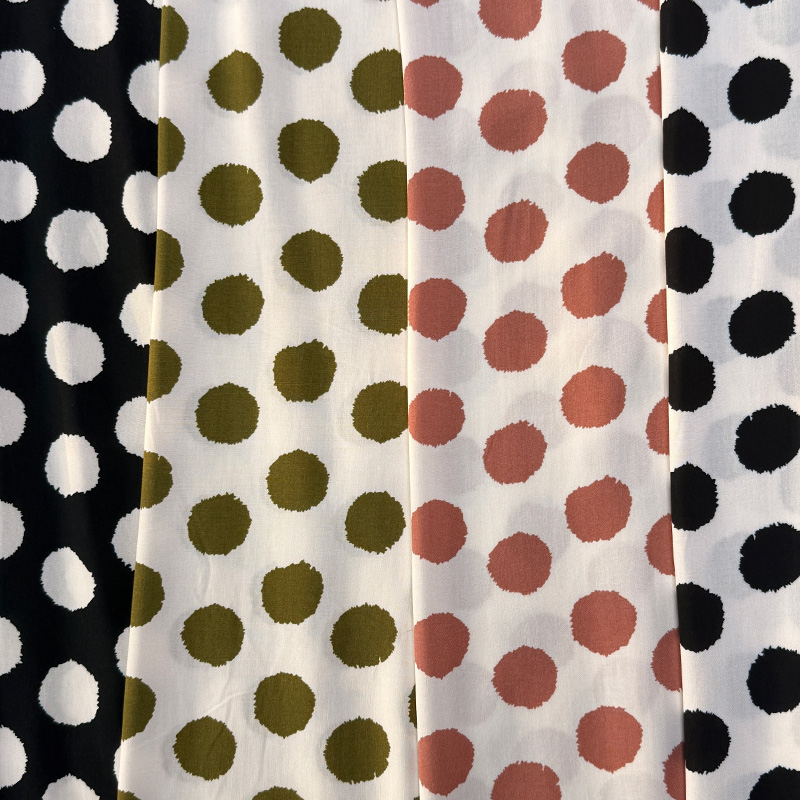
Black velvet fabric rarely fails because the color is wrong. It fails because the pile, backing, and finish were specified for the wrong end use. A buyer may approve a rich black swatch, then discover that the same velvet marks badly on a fitted sleeve, loses its depth under warm retail lighting, or arrives with a shade difference between rolls. For teams comparing a black velvet fabric manufacturer, supplier, or wholesaler, the first question is not simply “Is it black?” but “Which black, on which base, with which pile, and for which garment?”
Shaoxing Echoes Textile Co., Ltd. works from a textile background of more than 20 years, with two 80-mu production bases covering a grey fabric factory and a modern cotton yarn factory. The company states a daily output of 200,000 meters and supports buyers through an international trade team that handles sampling, order follow-up, and custom solutions. That matters for black velvet because the fabric is sensitive to small production differences. Pile height, dyeing method, backing stability, and pressing behavior can change the hand and the visual depth far more than a color card suggests.
Start with construction, not the color card: the same black velvet fabric can read flat, liquid, or heavy depending on backing, pile density, and finish.
Black Velvet Fabric Quality Starts With Backing and Pile
Black velvet is a surface fabric. What people see first is the pile, but what determines whether a garment hangs well is the base cloth underneath. A tightly woven polyester base can give a clean, stable shape for jackets and structured dresses. A rayon-rich or acetate-like base may soften the fall and create a more fluid surface for bias cuts and eveningwear. Cotton velvet tends to read matte and dry, while filament-based velvet can catch light more sharply.
Pile density is the second check. A dense pile looks deeper in the roll, but if the pile is too long or loosely anchored, it can crush at seat areas, elbows, and carry points. A shorter, well-set pile may look less dramatic at first but often holds up better in transport and wear. Buyers should also confirm pile direction. Velvet has a nap, and panels cut in different directions can appear as different shades even when they come from the same dye lot.
- Check the base composition before discussing hand feel, because the base controls drape, stability, and stretch recovery.
- Ask for pile direction and cut-planning guidance, especially for dresses with curved seams and jackets with strong shoulder shaping.
- Review pressing behavior on a sample, since black velvet can show seam impressions and iron marks quickly.
- Confirm effective width after shrinkage and finishing, not only the greige width.
An acetate-like velvet is a useful example. The goal is not to copy acetate fiber exactly, but to create a similar combination of softness, subtle sheen, and fluid drape using polyester or blended construction. That is why product names such as imitation acetate velvet appear in the market. For a buyer, the practical test is simple: fold the sample, press it lightly, let it cool, and see whether the surface returns to a smooth black or keeps a dull mark.
Judge black velvet fabric by base, pile, and recovery together; color alone will not predict how the fabric performs on the cutting table or in wear.
A Buyer's View of Black Velvet Fabric Options
Echoes groups velvet under its knitted fabric range and also offers acetate-like velvet within the polyester woven series. That variety is helpful because black velvet is not one product. A light-catching velvet for eveningwear, a square-textured velvet for structured panels, and a cotton-rich velvet with surface interest can all sit under the same color name while behaving very differently.
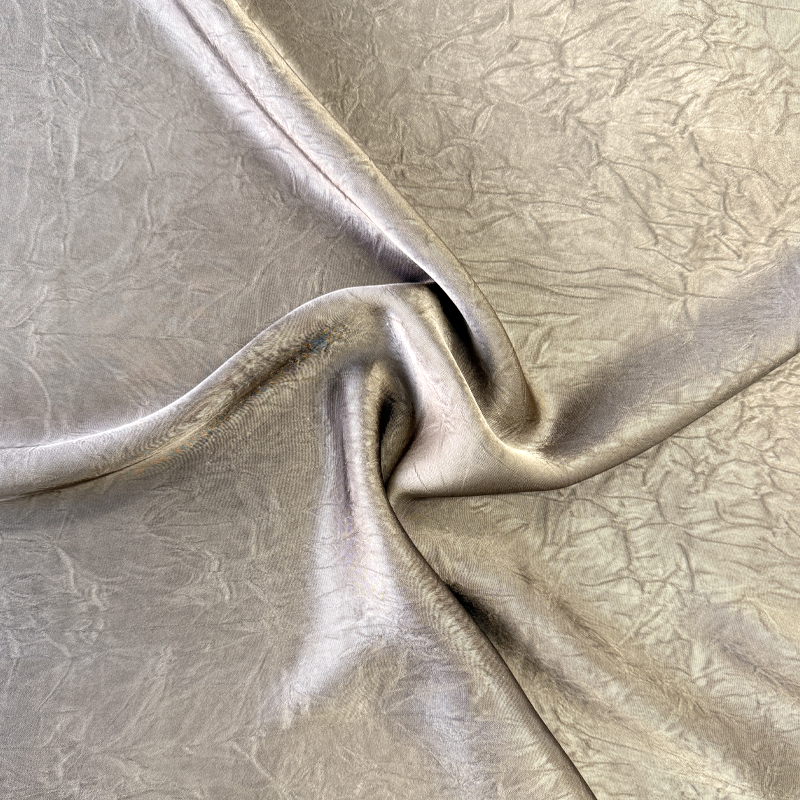
For a smooth, reflective surface, Sunshine Velvet is a practical starting point for dresses, bias skirts, and statement separates. The buyer's focus should be pile crush recovery and how the fabric behaves after a folded sample has been left under weight.
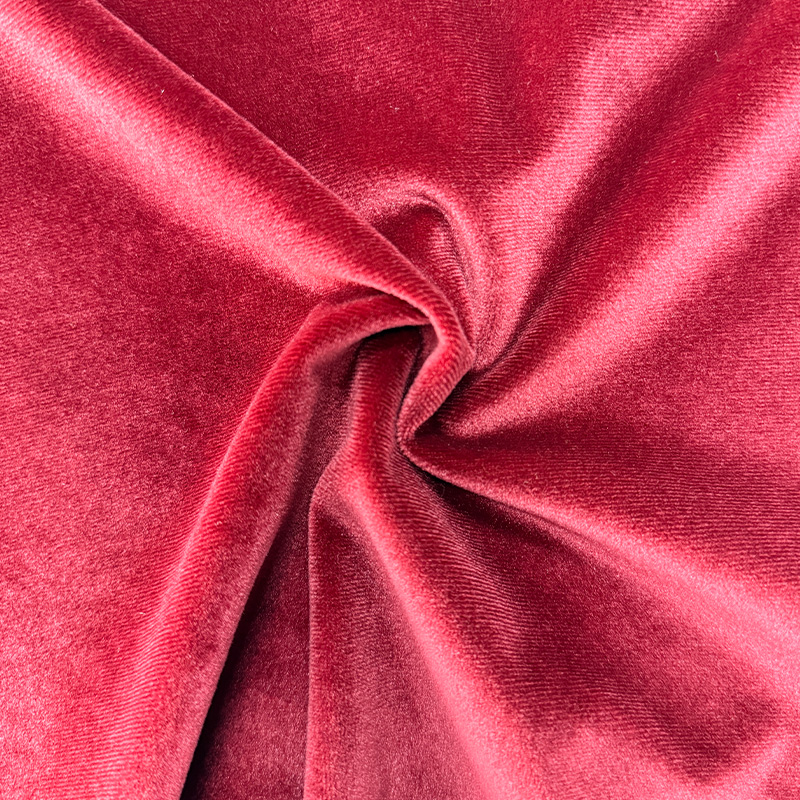 NO5001 Sunshine Velvet Knitted FabricSmooth, reflective knitted velvet for dresses, bias skirts, and statement separates; assess pile crush recovery and folded-sample behavior before bulk.View Product →
| Style | Surface character | Typical end use | Buyer check |
|---|---|---|---|
| Sunshine Velvet (NO.5001) | Smooth pile with a clear light reflection | Eveningwear, bias skirts, statement separates | Confirm pile crush recovery after folding and pressing |
| Imitation Acetate Square Velvet (NO.5003) | Square texture with an acetate-like sheen | Structured dresses, jackets, decorative panels | Check embossing definition and shade depth after steam |
| Silver Thread European Cotton Velvet (NO.6110) | Cotton-rich handle with silver-thread surface interest | Occasionwear, costume, interior accents | Review metallic thread friction and care instructions |
| Acetate-like Velvet (NO.6001) | Soft, fluid face with a subdued sheen | Dresses, soft tailoring, draped tops | Confirm drape, lining compatibility, and seam pressing |
The square velvet option is not simply a decorative variant. Its surface pattern can help hide seam shadows on structured garments, but the same texture makes seam matching more important. If the pattern is pressed too hard, the square definition can flatten. That is why sample pressing should be done with the same fusible, needle, and temperature settings the bulk factory will use.
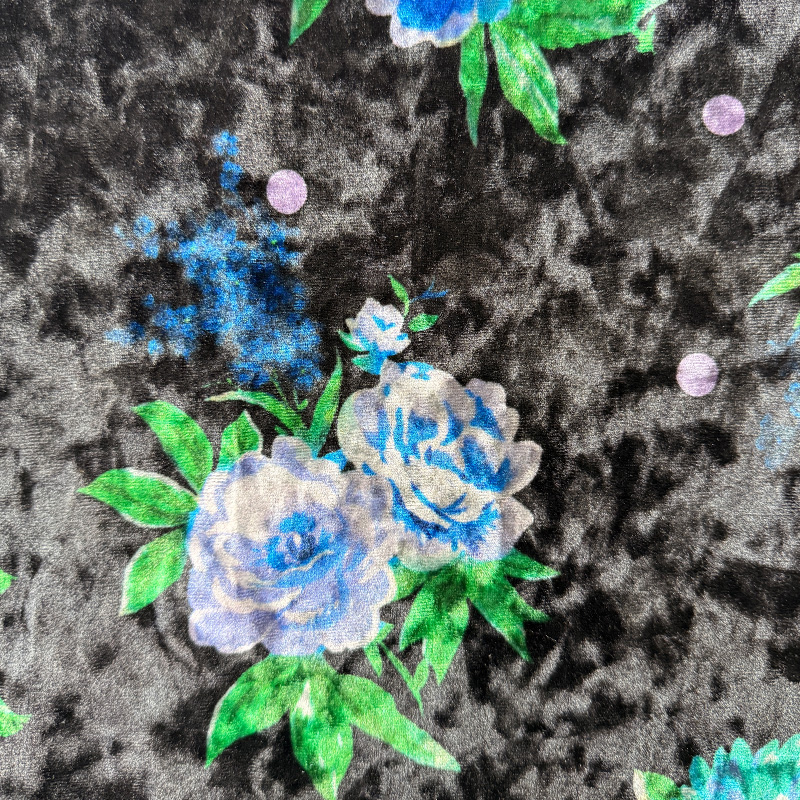 Imitation Acetate Square Velvet FabricThree-dimensional square velvet in imitation acetate offers a soft handfeel and dimensional surface for structured garments; check seam matching and pressing before bulk.View Product →
The silver-thread European cotton velvet introduces a different risk. Surface interest can be attractive for occasionwear and costume, but metallic or shiny yarns may behave differently under friction. Buyers should ask for a rub test and care guidance before placing a large order. For a black velvet fabric supplier working with apparel teams, this type of detail is part of the service, not an afterthought.
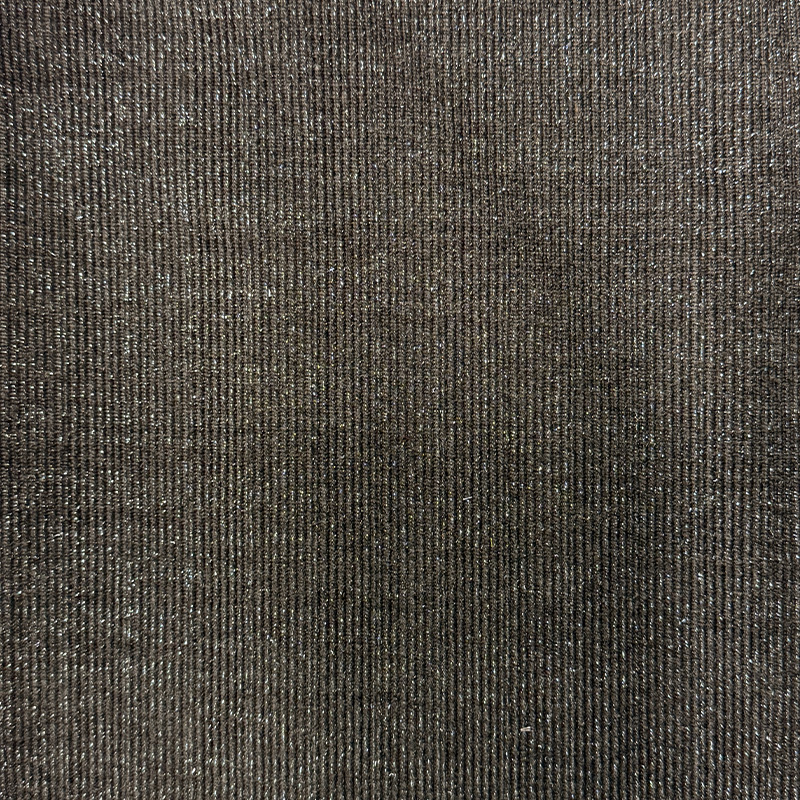 Silver Thread European Cotton Velvet FabricSilver-thread cotton velvet adds subtle shimmer for occasionwear and jackets; request rub testing and care guidance before bulk ordering.View Product →
Match the velvet style to the garment's construction risk, not only to the mood board; pressing, nap direction, and surface friction decide whether the sample succeeds in bulk.
How to Specify Black Velvet Fabric for Apparel and Interior Projects
Dresses and eveningwear
For fluid dresses, look for a supple backing and a pile that recovers after folding. If the garment has princess seams or a shaped waist, test the sample over a curved surface. Black velvet can look deep on a flat table but turn lighter at a seam because the pile is pushed in a different direction. Allow extra cut allowance for nap layout and avoid mixing panels cut in opposite directions.
Tailored jackets and blazers
Structured black velvet jackets need a stable base and careful interlining. The fabric may look luxurious, but a soft base can collapse at the shoulder. Ask whether the supplier can provide a fusible recommendation or a pre-shrunk sample. Pressing is the main risk: too much heat can flatten the pile, and too much steam can leave a halo mark. Use a press cloth and test on offcuts.
Performance, costume, and special occasion
Stretch black velvet can be useful for close-fitting costumes and performance wear, but recovery matters more than stretch percentage. A fabric that stretches easily but does not return will bag at the knee or elbow. Check abrasion and glare under stage lighting. If the design needs a four-way stretch velvet, confirm the base and the pile are compatible with the required seam strength.
Interior accents and decorative use
Black velvet cushions, panels, and trim can be attractive, but interior use brings cleaning and lightfastness questions. A cotton-rich velvet may suit a matte decorative look, while a filament velvet may show a stronger sheen. Confirm cleaning instructions before cutting. For both apparel and interior projects, the same rule applies: request a sample large enough to fold, press, and view under different lights.
Specify black velvet fabric by end use, seam risk, and pressing method; a swatch that passes a flat table review may still fail on a curved seam or a structured shoulder.
The Black Shade Problem: Light, Nap, and Colorfastness
Black velvet has a unusual relationship with light. The pile absorbs light in one direction and reflects it in another, so the same fabric can look dense, gray, or almost blue-black as the garment moves. Buyers should compare samples under daylight, warm retail light, and cool office light before approving a shade. A single light source can hide the difference between a warm black and a neutral black.
The chart below is a qualitative planning aid, not a laboratory specification. It shows where buyers often place emphasis when reviewing black velvet for different end uses.
Where Buyers Place Emphasis by End Use
For Echoes customers, this chart is best used as a conversation starter during sampling. A dress buyer may ask for Sunshine Velvet and focus on how the pile recovers after folding, while a jacket buyer may ask for a square velvet and focus on seam impression. The same black shade can require different backing choices depending on the answer. It is also a reminder that a wholesaler should not quote only by color name; the end use should shape the sample request.
Colorfastness needs its own line in the approval sheet. For black velvet, ask about rub fastness, wash fastness if relevant, and lightfastness for interior or display use. Dark shades can show frosting at seams or edge abrasion, especially on tight-fitting garments. A simple crock test on the sample can reveal whether loose dye is present. If the fabric is intended for a garment that will be worn against light lining, test the lining contact as well.
Approve black velvet fabric under more than one light and test rub fastness before bulk; a deep black that transfers or frosts at seams becomes a customer service problem.
Sourcing Black Velvet Fabric From a Manufacturer, Supplier, or Wholesaler
The sourcing conversation should be specific. “Send your best black velvet” is not enough for a production order. A manufacturer needs the end use, target weight range, stretch requirement, care label expectation, and sample deadline. A supplier should be able to explain which base and finish will meet those points, and a wholesaler should clarify whether stock is held in the named shade or whether the order will be produced to approval.
- Ask for a sample card that lists fiber content, construction, effective width, approximate weight, pile direction, and recommended care.
- Confirm the approval process for shade, hand, and surface. Keep a sealed sample for bulk reference.
- Request pressing and seam tests on the actual sample, not on a similar velvet from a previous season.
- Clarify minimum order quantity, production lead time, and whether the shade is stock or made to order.
- Ask how the factory controls batch shade differences, especially when the order is split across multiple rolls.
Echoes presents itself as a textile import and export company with production control from yarn and grey fabric through finished fabric. For a buyer, that vertical position can be useful when a black velvet fabric order needs a custom hand or a combined shipment with other woven or knitted fabrics. The two 80-mu bases and stated daily capacity of 200,000 meters are relevant to supply continuity, but they do not replace sample approval. Always connect capacity claims to a specific product code, finish, and delivery window.
Price discussions should include the cost of sampling, testing, and packing. Black velvet can be sensitive to compression and moisture during shipping, so roll packing and inner protection matter. Ask whether the fabric will be rolled face-in or face-out, and whether the supplier recommends a tube core or flat-fold packing. These details are easy to overlook, but they affect how the pile looks when the carton is opened.
Source black velvet fabric with a written sample standard, a pressing test, and a packing plan; capacity and price only become meaningful after those three points are fixed.
Care and Maintenance for Black Velvet Fabric
Care instructions should be written for the finished garment, not copied from a generic velvet guide. Many black velvet fabrics are best dry cleaned, but some polyester and stretch versions may allow gentle washing if the backing and dye system support it. The care label should be based on a wash test of the actual fabric, with the actual trim and lining if possible.
- Steam lightly from the reverse side or with a press cloth; direct iron contact can flatten the pile.
- Brush the pile in one direction after pressing to restore a consistent surface.
- Store finished garments on padded hangers or rolled, not compressed under heavy items.
- Avoid spot cleaning with strong solvents unless the fabric has been tested, because dark shades can show rings.
For buyers, care guidance is also a quality signal. A supplier that can explain pile recovery, ironing limits, and cleaning risk is more likely to understand production behavior. A supplier that only sends a color card leaves the buyer to discover those limits in the cutting room.
Treat care testing as part of black velvet fabric approval; pile damage and shade rings usually appear after pressing or cleaning, not on the sample table.
Frequently Asked Questions About Black Velvet Fabric
What is black velvet fabric made of?
Black velvet fabric can be made from polyester, rayon, cotton, nylon blends, or other fibers, depending on the desired hand and price point. The black color comes from dyeing, while the velvet surface comes from a pile construction such as cut pile or knitted velvet. The base fiber often matters more than the label suggests because it controls drape, stretch, and pressing behavior.
Does black velvet fabric fade or lose its color?
It can, especially if the dye system is not matched to the end use. Light exposure, repeated rubbing, and improper cleaning may cause dulling or frosting at edges. Buyers should ask for rub fastness and lightfastness information, then test the sample under the intended lighting and cleaning conditions.
Is black velvet fabric stretchy?
Some black velvet is woven with little stretch, while knitted or elastane-containing versions can stretch in one or four directions. Stretch alone is not enough; recovery matters. A stretch velvet that does not return to shape will bag at the knee or elbow. Confirm stretch direction, recovery, and seam strength before using it for close-fitting garments.
How heavy is black velvet fabric?
Weight varies by base and pile. Lightweight velvet may suit draped tops and linings, while midweight velvet is common for dresses, and heavier velvet may suit jackets, costume, or interior accents. Always ask for the weight of the finished fabric, not the greige, and check it against the garment's structure.
Can black velvet fabric be used for everyday wear?
Yes, if the construction suits the wear. A shorter pile and stable base can make black velvet practical for skirts, dresses, and soft jackets. For daily wear, pay extra attention to abrasion at seats and cuffs, care instructions, and whether the shade shows lint or dust easily.
What should a buyer confirm before ordering black velvet fabric?
Confirm fiber content, pile direction, effective width, weight range, shade approval method, rub fastness, pressing behavior, minimum order quantity, lead time, and packing. Keep a sealed sample and state the end use clearly. These details reduce the risk of a bulk order that looks correct on the roll but fails in production.
The most reliable black velvet fabric approval combines a sealed shade sample, a pressing test, a rub test, and a care plan for the finished garment.
Explore Black Velvet Fabric Options
If you are building a black velvet range for dresses, jackets, occasionwear, or decorative accents, review the velvet series first and then send a short brief with your end use, target weight, stretch requirement, and sample deadline. A focused brief helps a manufacturer or supplier recommend the right base instead of quoting by color alone.
Review the velvet series and share your end-use brief before selecting a shade; the right black velvet fabric is the one that survives your seam, press, and care requirements.